In 2017, Saif Ali Khan might have come closer to being taken seriously as an actor with notches of brilliance in Rangoon and Chef. But it is in 2018, with Kaalakaandi and Sacred Games, that he might have found his voice.
We can continue to criticise the portrayal of women as mere pawns in the sacred games of men. But take a minute to look beyond the obvious. The women in the Netflix series aren’t mere cheerleaders – they’re controllers in their own right.
Thirteen years ago, Vishal Bhardwaj gave us the masterful Omkara based on Othello, the Shakespeare play about race and misogyny. The play is tailor-made for Indian sensibilities, where race turns into caste and the misogyny is dialled up several notches.
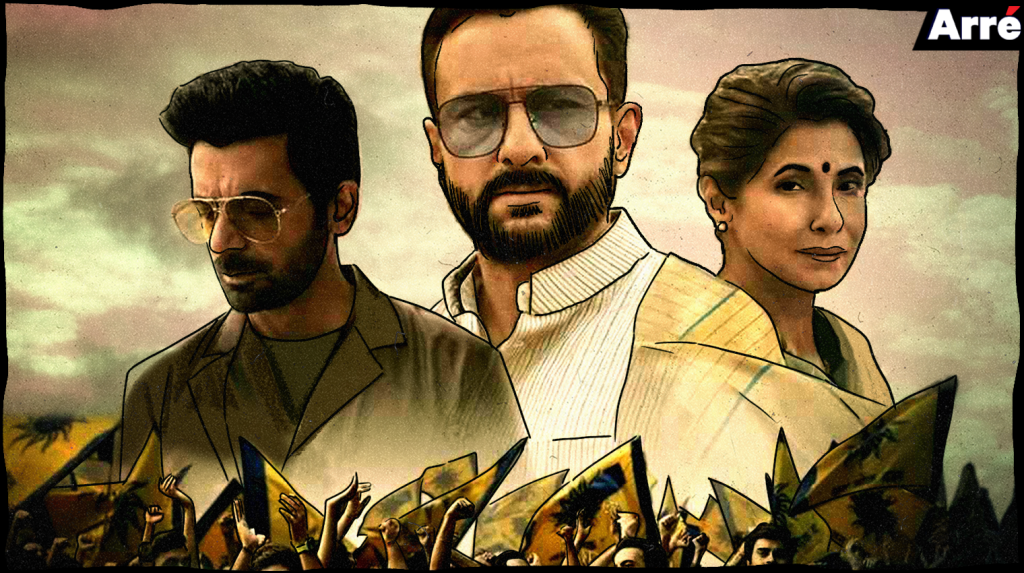
Amazon Prime Video’s Tandav is worth all the hype. Watch it for Saif Ali Khan and its stellar cast, the parallel it draws to our political landscape, and the intriguing drama that sucks you in.
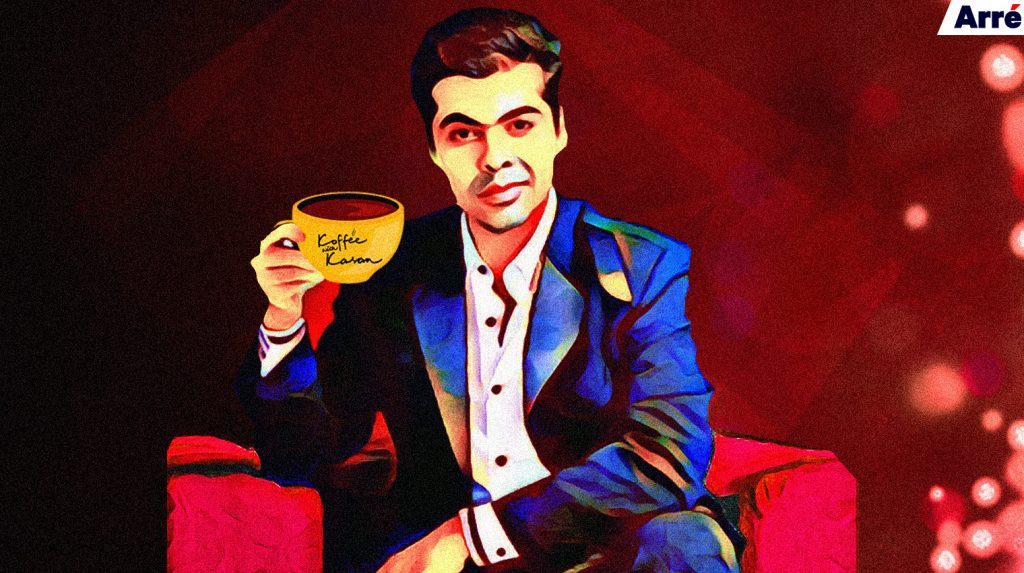
Almost 14 years ago, writer-director-producer, Karan Johar did the unthinkable: He brought our favourite Bollywood stars from the big screen, straight into our living rooms. Rarely have our stars been as relatable as they have been on Koffee With Karan.
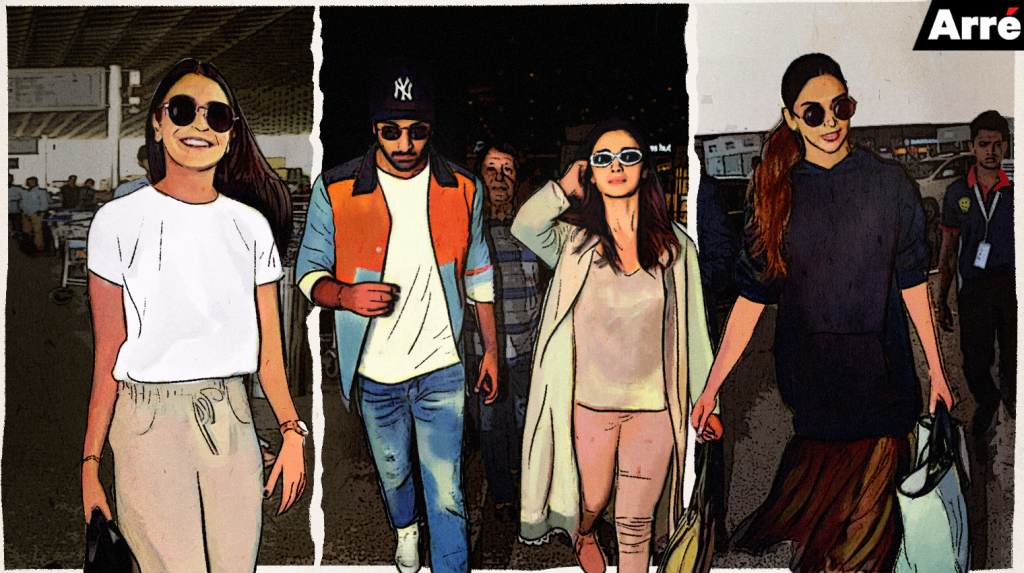
The reason I’m so addicted to celebrity airport looks is the same reason why I have sat through every Roadies audition ever: There’s nothing more fun than witnessing a group of people go out of their way to make themselves uncomfortable.
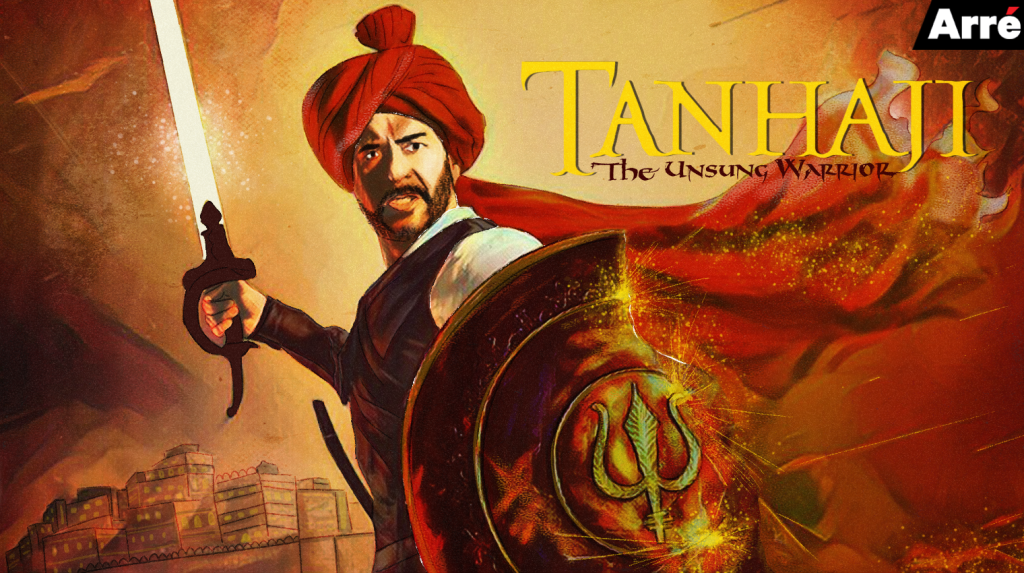
Ajay Devgn’s self-seriousness in Tanhaji: The Unsung Warrior is unbearable. But Saif Ali Khan’s gleeful irreverence makes the villainy of Udaybhan Rathod, a Rajput general in Aurangzeb’s army, extremely enjoyable.
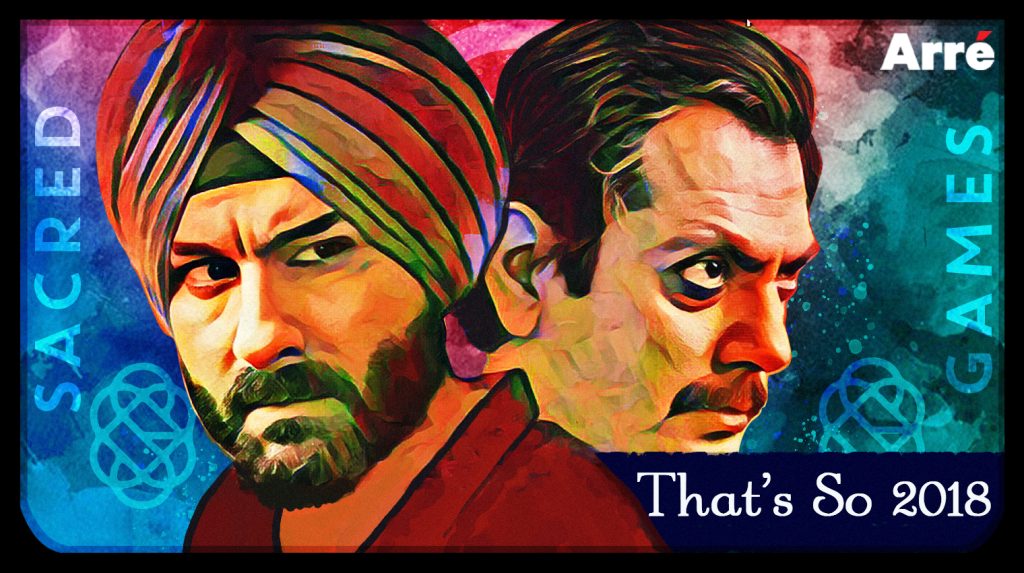
Sacred Games single-handedly ended the drought of smartly written and performed shows of Indian origin, on the internet. It was that unicorn that treated the small screen with the same level of ambition and respect usually reserved for the silver one.
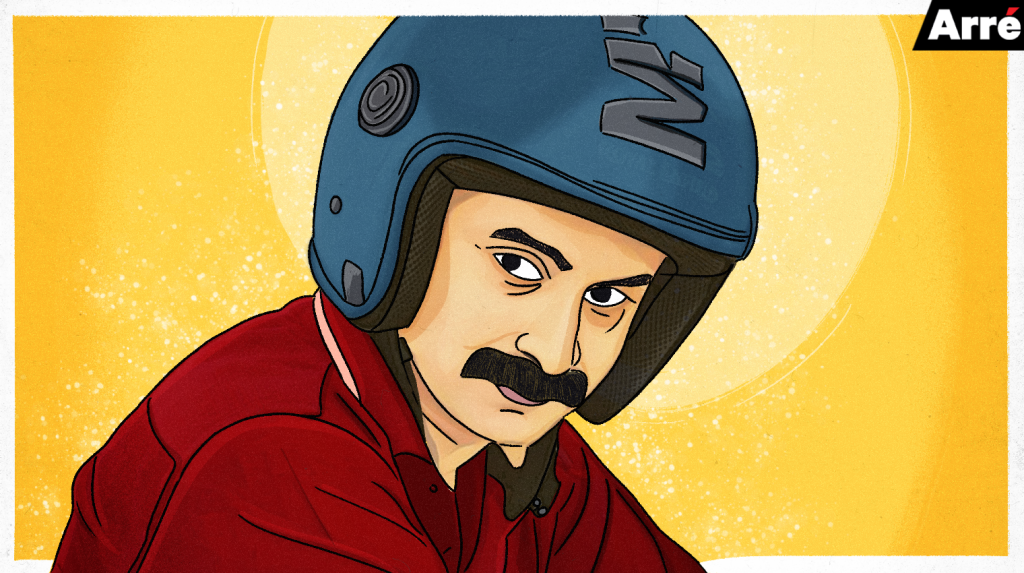
In an industry that is obsessed with perfectly sculpted appearances, Fahadh Faasil has a receding hairline, no six pack, and painfully regular looks. He is not trapped by any notions of hyper-masculinity. In his films, like Super Deluxe, Thondimuthalum Driksakshiyum, and Kumbalangi Nights, Fahadh is man enough to not be a man.