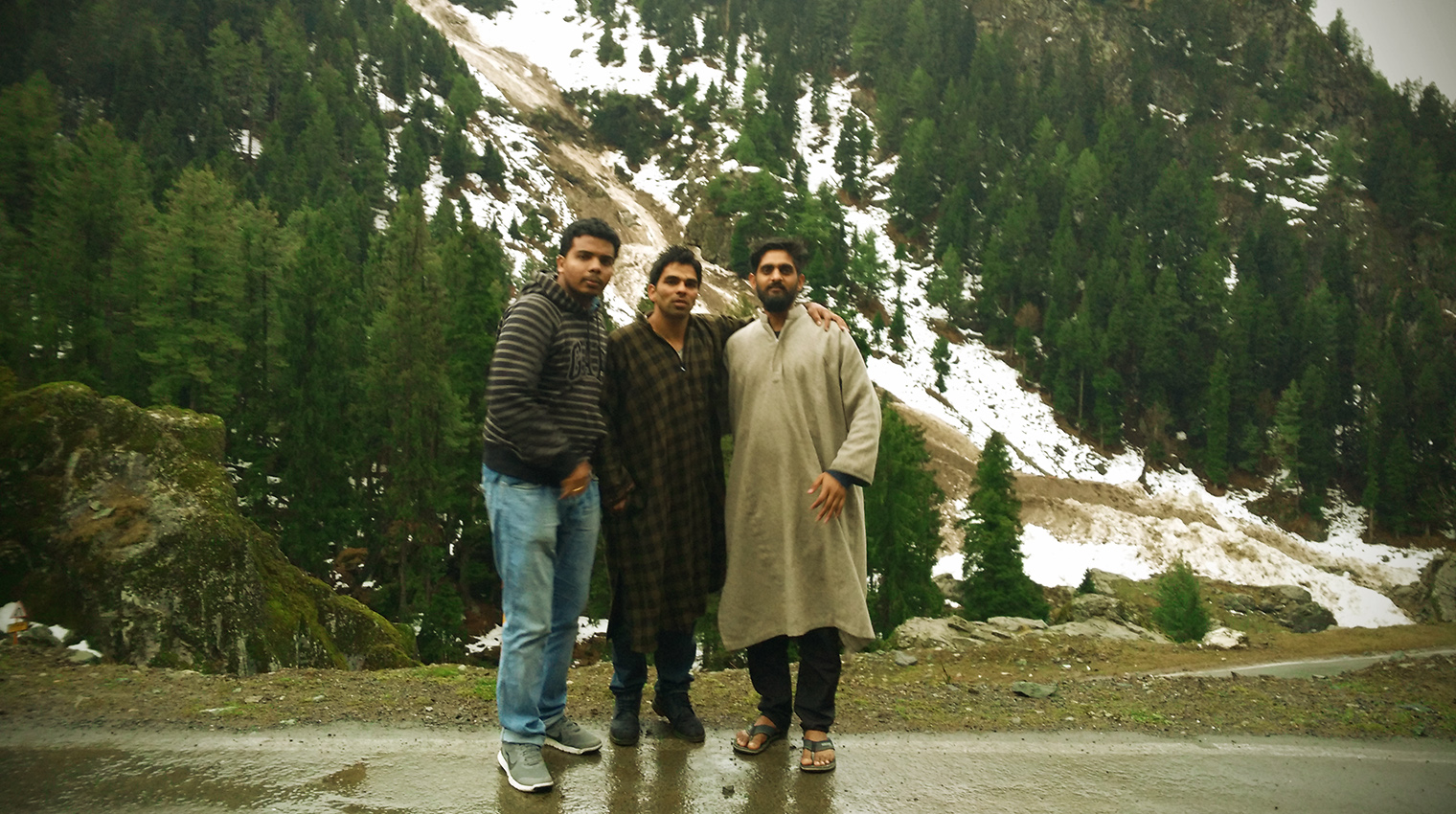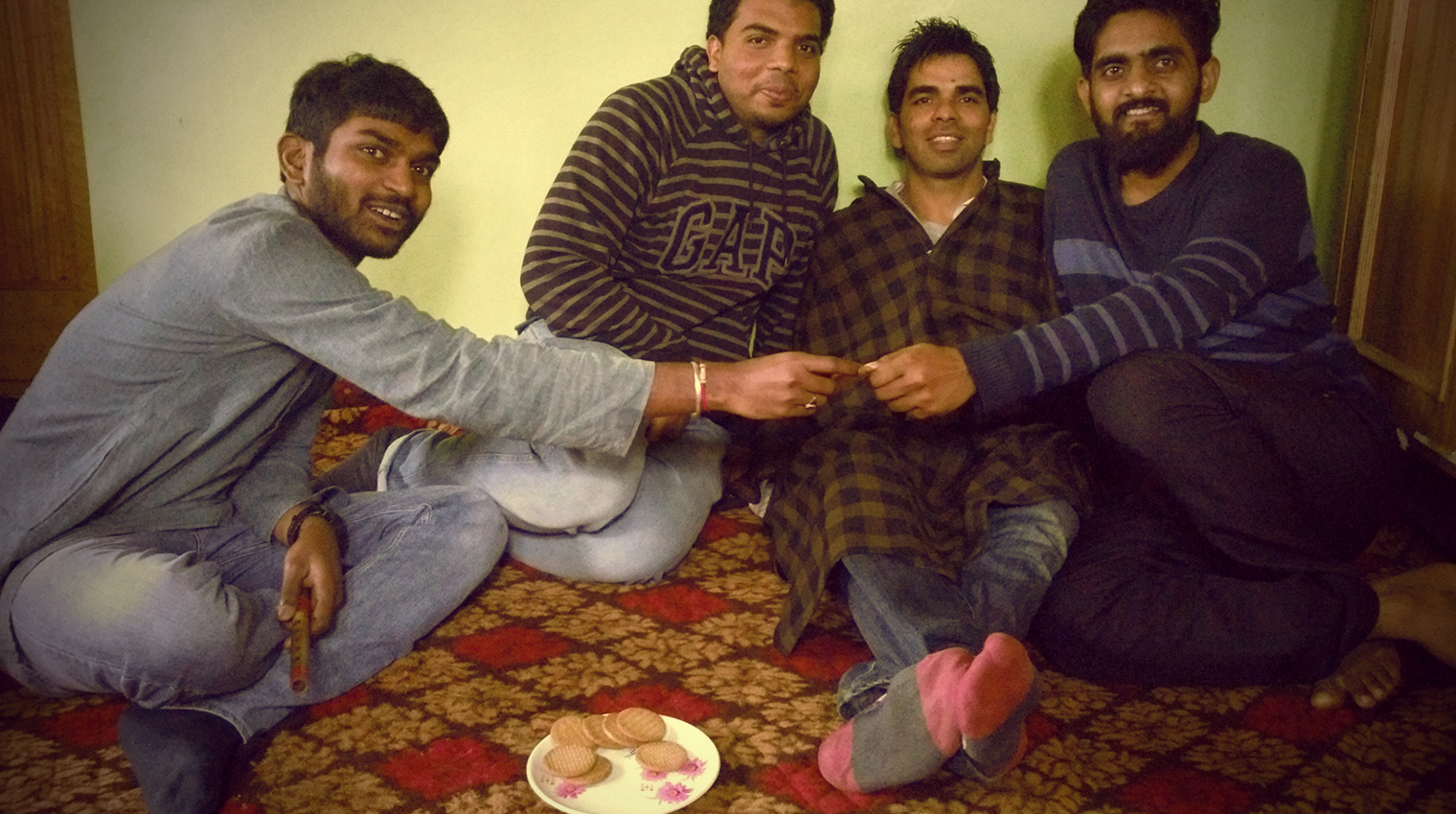

When Rayees Malla and Ajay Kushwaha met as 19-year-olds on Srinagar’s sprawling NIT campus, they came from different worlds. Rayees grew up in Kashmir, in an atmosphere that was often gripped with tension. He lived through stories of violence and conflict that tore the Valley apart.
Ajay came from the tiny town of Unnao in Uttar Pradesh. For him Kashmir was all about romance and beauty, the kind he had seen in the movies. He remembers the first time he set foot on the mammoth campus. It was everything he dreamed it would be. Surrounded by the breathtaking Himalayan ranges, overlooking the placid Dal Lake, his college was picture-perfect. The first few days were all about coping with classes, acclimatising to hostel life and scanning for pretty faces. Students hung out in cliques – the Kashmiris, the Biharis, the UPites. But as months passed, the borders began to melt and nobody cared about domicile anymore. While Ajay quickly settled in, the local Rayees was nervous. He had never shared a room with anyone before. His first-year roommate was a boy from Haryana, and this made him self-conscious. Rayees wondered if his daily namaaz would offend his new roomie. But his roommate turned out to be as open-mind and God-fearing as him. So every day, in one corner of the tiny hostel room, while Rayees offered namaaz, the fragrance of incense sticks filled the air as his roommate performed puja. On Eid, Rayees would be flooded with greeting cards from his friends, and on Holi, everyone looked forward to getting smeared with colour. But in a college populated by thousands of testosterone-fuelled young men, life doesn’t always play out like a Yash Raj movie. Fights were as much part of the routine as the dreary cafeteria food. Arguments would flare up over inane issues, such as switching off the reading light, as well as grave ones, like azadi for Kashmir. But fault lines were rarely drawn on faith. Opposing factions would staunchly sit on different sides of the fence, and cold wars would persist for days. But eventually, they’d make up over a plate of hot Maggi, and peace would prevail. In their second year at NIT, back in 2007, Rayees and Ajay became roomies. Within no time, the duo were a common sight on campus – from classrooms to the library, from the hostel mess to the picnics. Two years went by in a flash of late-night studying, off-colour jokes and snowball fights. Then, on a clear spring day in April 2009, their friendship was put through a test of faith. It started with a minor scuffle between local and non-local students over a cricket match at the college ground – a match for which neither Ajay nor Rayees were present. The night before, a few Kashmiri students had complained to college authorities about non-locals drinking alcohol in the hostel. That morning on the cricket field, the miffed members of the drinking party began picking on the locals. Suddenly what had started out as a bit of bullying, turned into an ideological battle that brought the entire campus to its knees.In their second year at NIT, Rayees (centre) and Ajay (right) became roomies. Within no time, the duo became a common sight on campus – from classrooms to the library, the hostel mess to picnics.
***
Last month, days before a similar conflict between local and non-local students grabbed national headlines, Ajay and Rayees visited the NIT campus. They met the faculty and shared a cup of chai in the mess. Nothing had changed. The hills were as pristine as they had left them and the students had still managed to keep politics and the media out of the college. “But in a college located in a conflict zone, there are bound to be disagreements between local and non-local students,” says Ajay, who now works with the Rural Electrification Corporation Limited in Jammu. “We’ve had our share of arguments, but never did it spiral into an altercation worthy of State intervention.” So what changed in the last few years? The distraught alumni insist that the blame lies squarely with the media. “The matter could have been amicably sorted out between the students. The jingoistic channels keep adding fuel to the fire,” says Rayees. “You can’t expect intellectual responses from boys in their early 20s, especially when it comes to an emotionally charged cricket match. You have to treat students as students and not tag them as ‘national’ and ‘anti-national’.” Ajay and Rayees had their share of arguments in college, but would eventually make up over a cup of chai and a hot plate of Maggi.