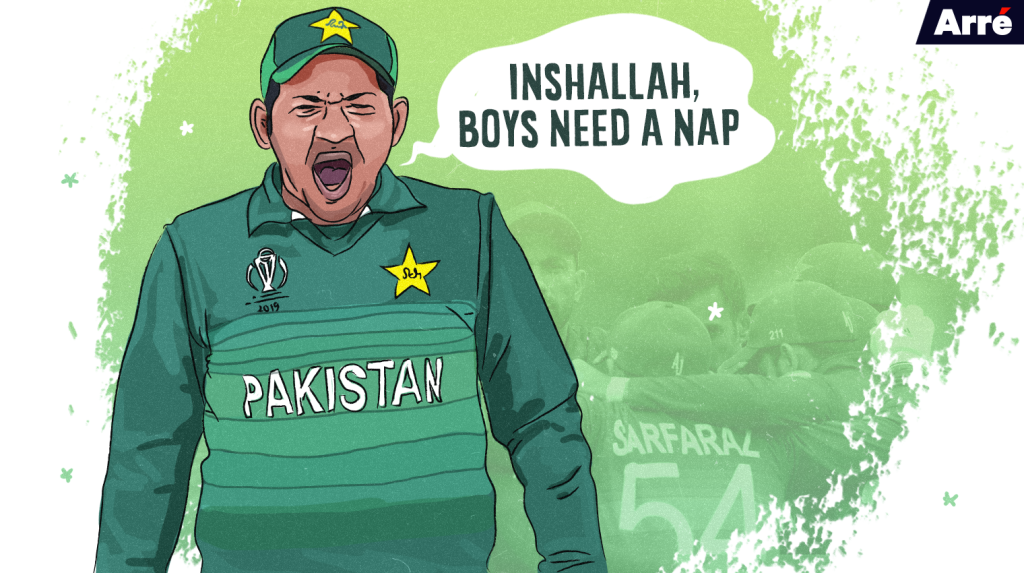
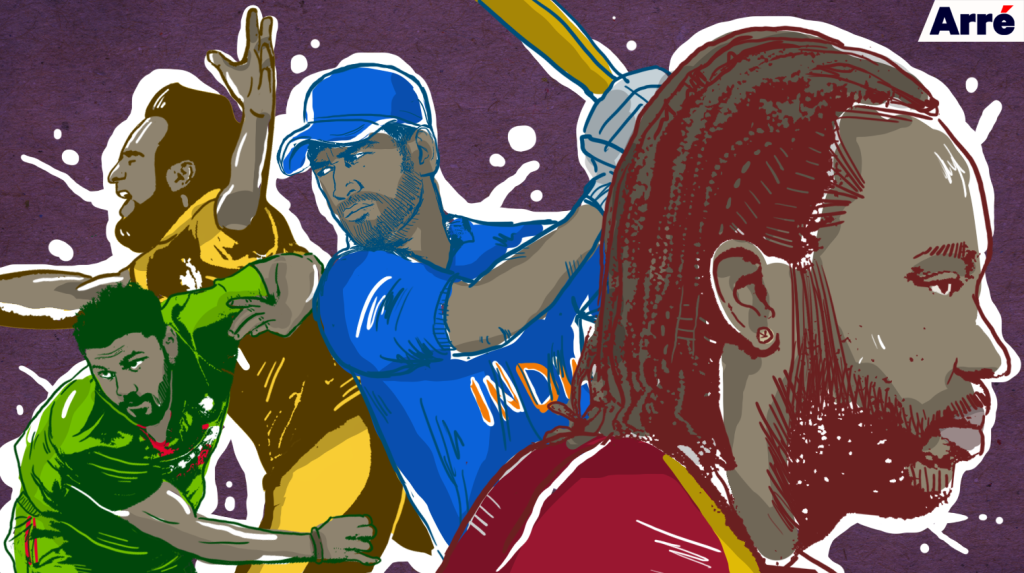
We are witnessing the decline of a cricketing legacy. India versus Pakistan was the crucible in which superstars were forged. Javed Miandad’s last-ball six and Venkatesh Prasad knocking off Aamer Sohail’s off stump is the stuff of legends. Without the biting rivalry, cricket is poorer.
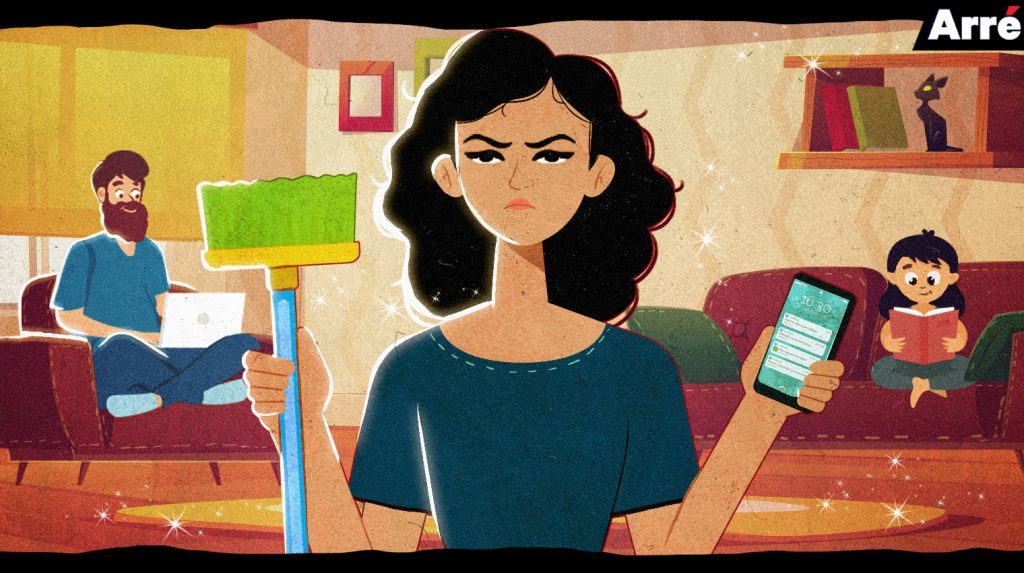
Why do we talk about the men “helping” the women out at home, a friend asked. “Helping” implies that it is the job profile of a woman to run the house, while the man, out of the goodness of his heart, would attempt to “share the load”. As equal partners, isn’t it imperative that both consider the home theirs to take care of?
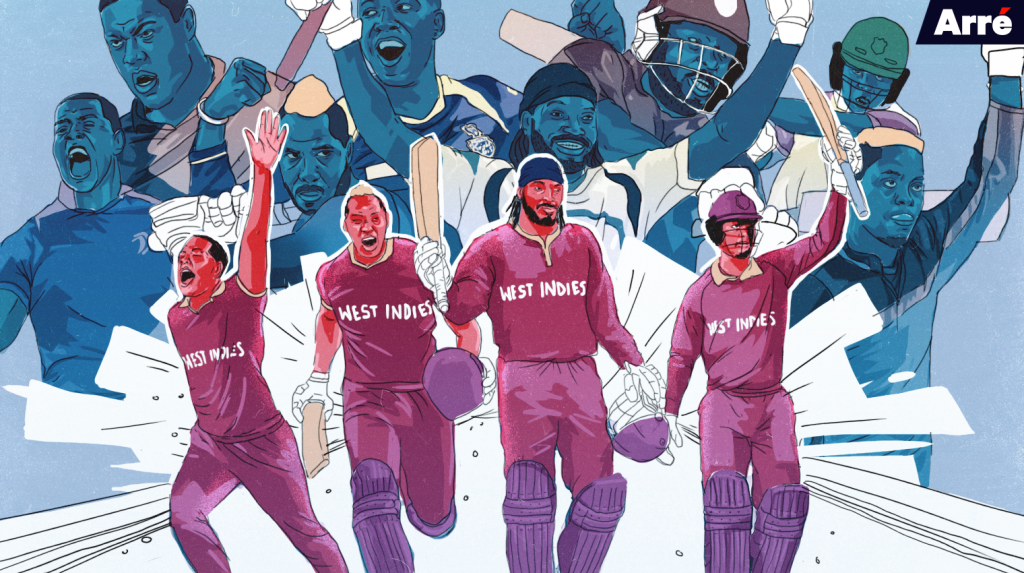
The rise of the West Indies as a T20 superpower has been detrimental for the other formats. They can play the big shots, but they cannot sustain for 50 overs. Their World Cup, and indeed all future successes, hinge on the team finding the fine balance between aggression and restraint.
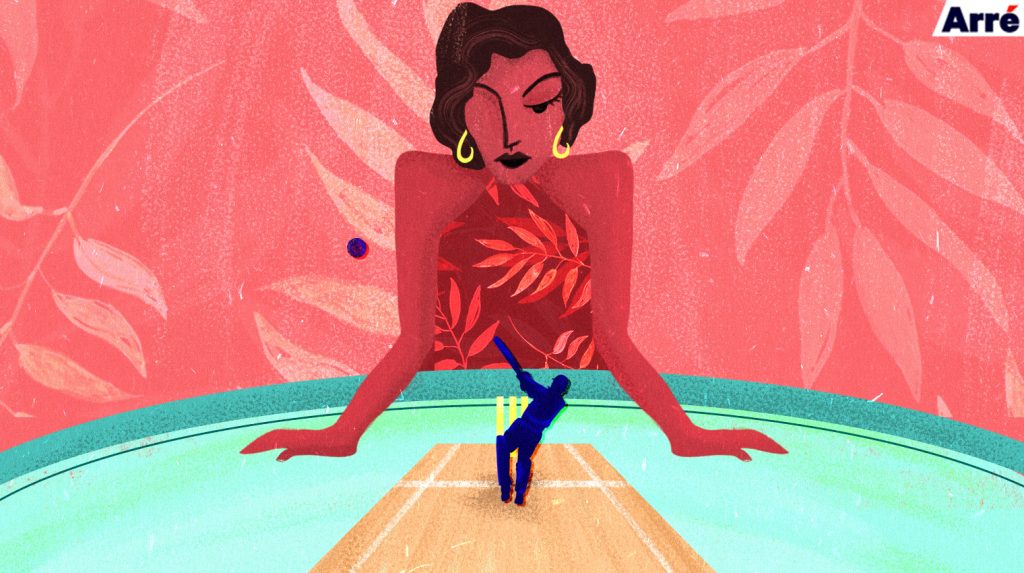
In a testosterone-filled environment, the women of IPL stand out – anchors, journalists, producers, the wives and girlfriends of players. Everyone fights a stereotype. We deflect low-key sexual harassment – flirtatious advances, late-night calls in your hotel room – to stay in the game.
Does largest stage in world cricket have place for an aging legend, or is the gentleman’s game the domain of young men at this elite level? The older players at the tournament keep fighting, for pride, for their dreams, and to prove the critics wrong.
After his deportation from Australia, the world’s best tennis player, Novak Djokovic looks set to also miss the French Open. The Serb has not always been likeable, but in flouting Covid rules, and endangering others he has crossed a line from where his legend now seems irredeemable.
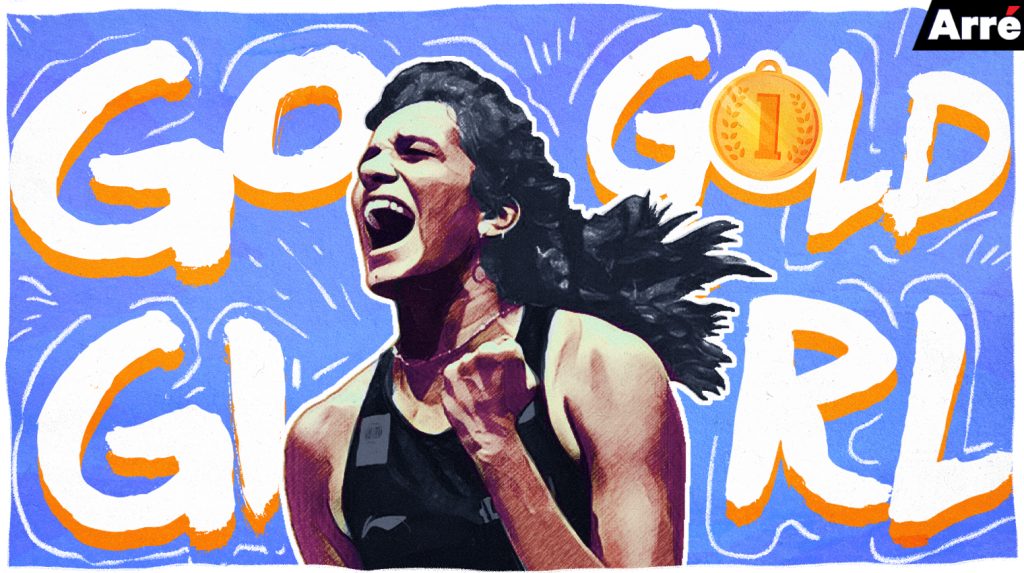
With a stunning World Championships gold, the first-ever for an Indian, Sindhu has made an entire country — some still wallowing in the cricket team’s World Cup loss, others in the country’s floundering economy — sit up and dream.
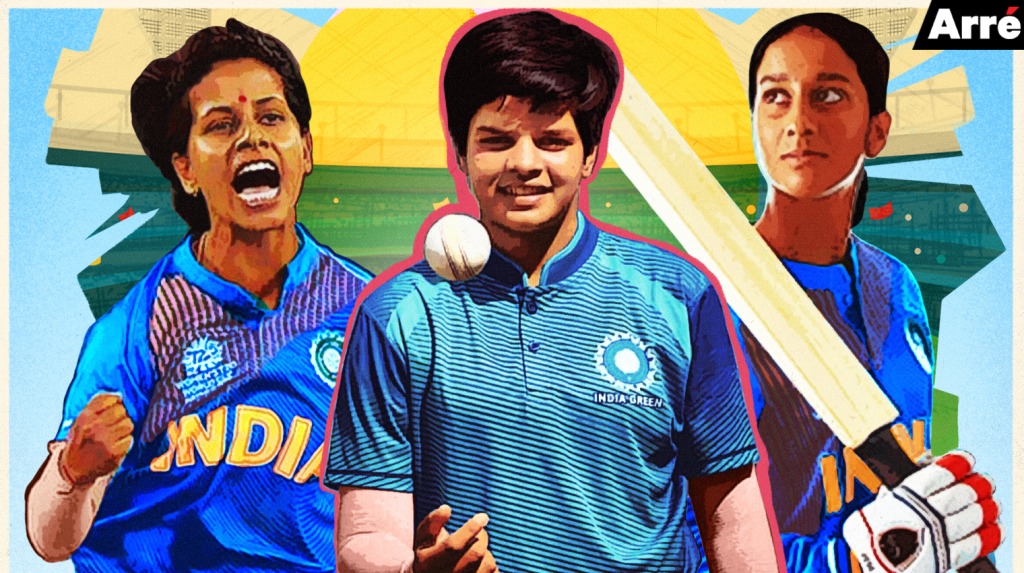
Sixteen-year-old Shafali Verma is turning heads at the ongoing Women’s T20 World Cup. But only a couple of years ago, she had to cut her hair short and pretend to be a boy to play cricket. It takes a lot to be a woman sportsperson in India – fight gender stereotypes, and sometimes patiently wait for your brother to finish playing, so you can have a go.