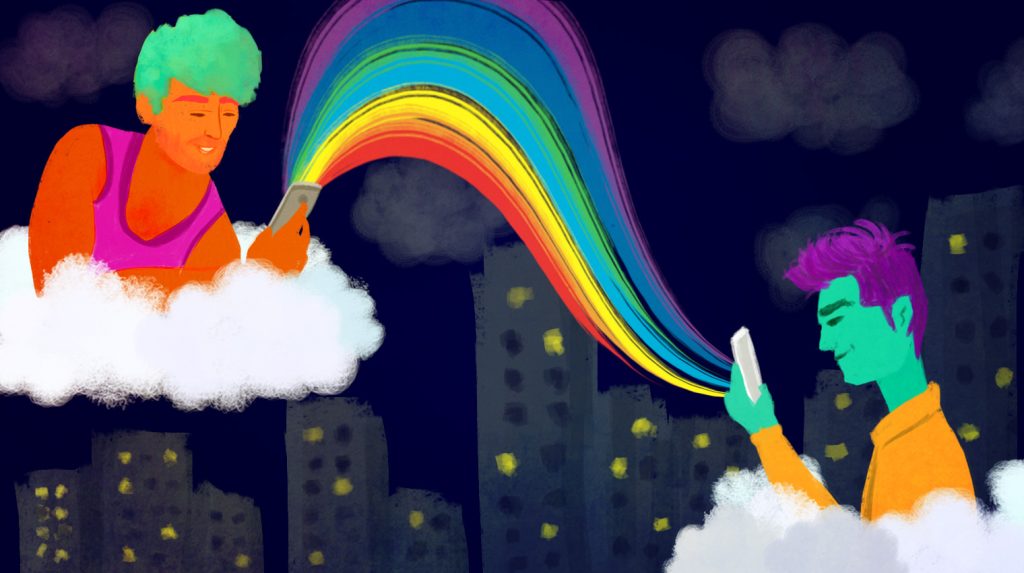
For technosexuals, the potential of digital, photoshopped lovers is more pleasurable than actual interaction with them. We send out dick pics minus faces so it doesn’t get personal.
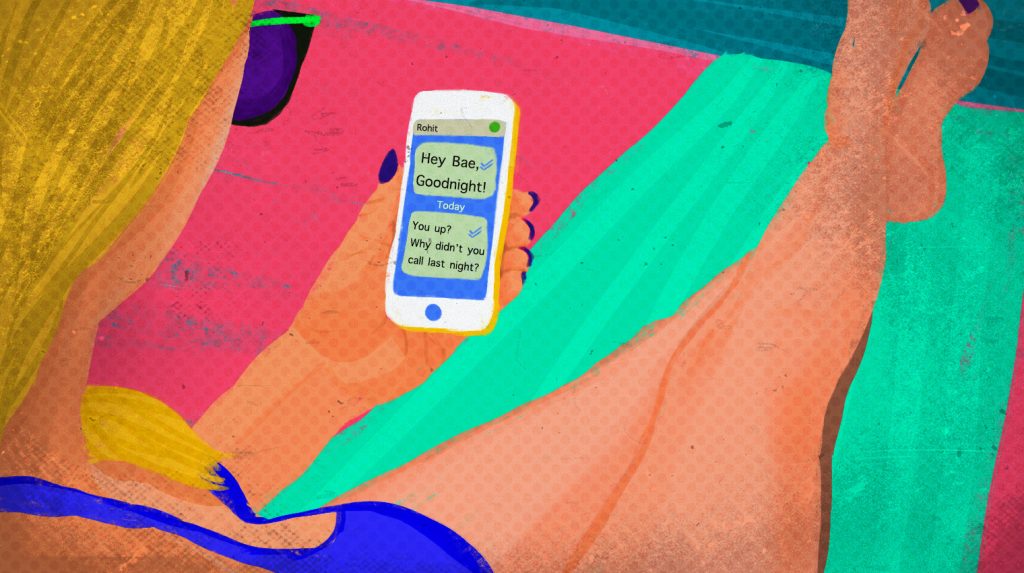
Read receipts are everywhere: as blue ticks on WhatsApp, “Seen” messages on Facebook and “Opened” on Snapchat. They sow seeds of doubt, further complicating modern relationships.
We were born in the ’80s; and we’re millennials too. But we’re also the last generation to have actually known what life without internet and mobile phones looked like.
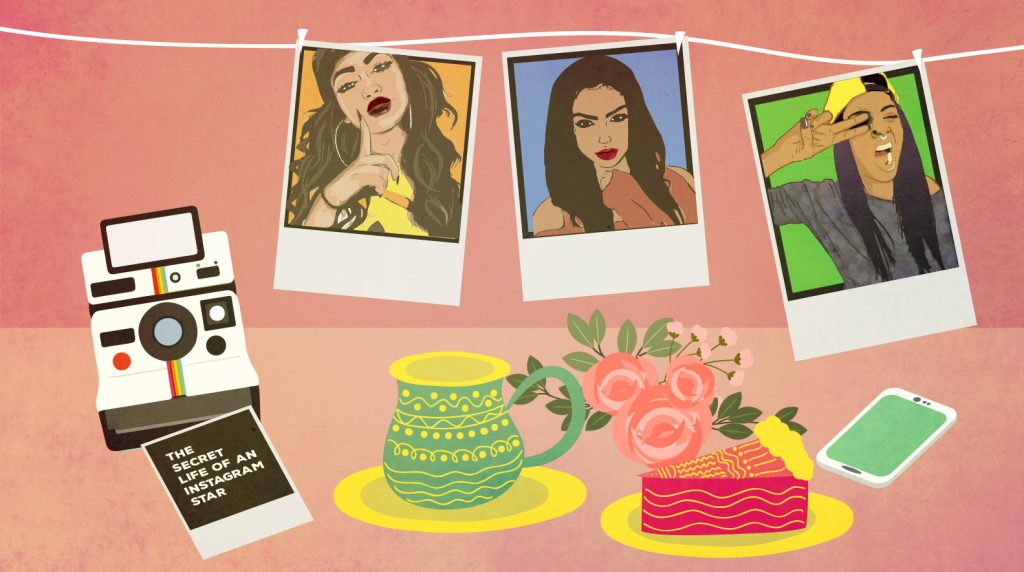
Instagram influencers live their lives in service to the camera, creating a “perfect life” that their followers can aspire to. Often, the line between fact and filter is blurred.
Snapchat exemplifies everything that’s different between millennials and Gen Y. It’s created for a generation that has abandoned the term “brb” because its never offline.
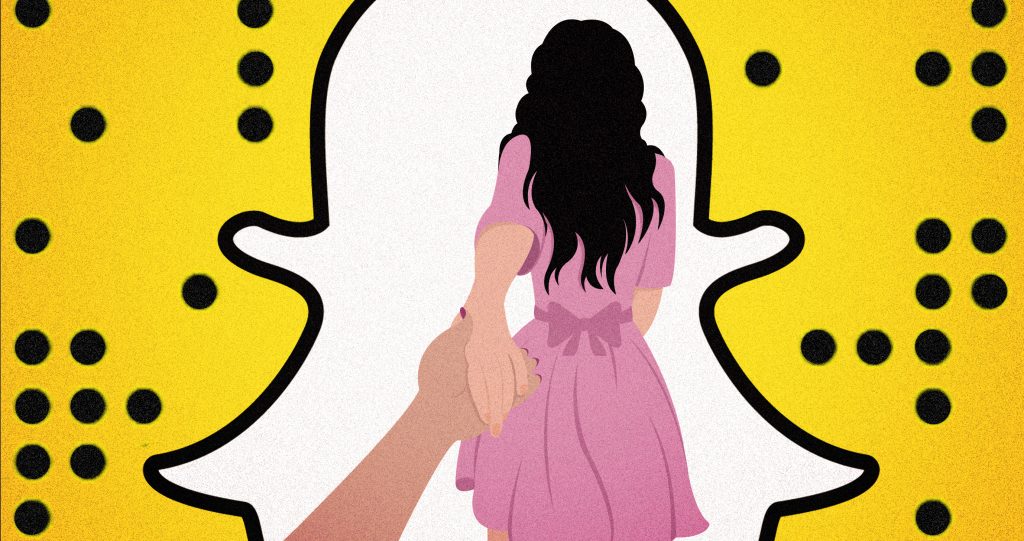
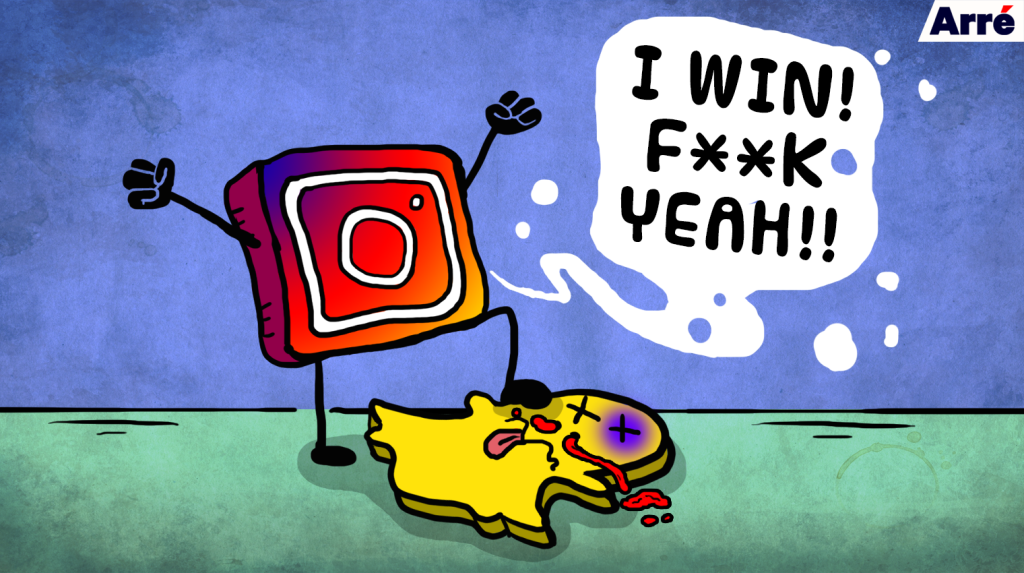
It was only in 2014, when all of India was talking about the saffron wave, India’s millennials were lost in Snapchat’s simple world of disappearing pictures. Four years on, after Kylie Jenner’s deadly tweet and a much derided interface update, it is finally time to bid the app farewell.
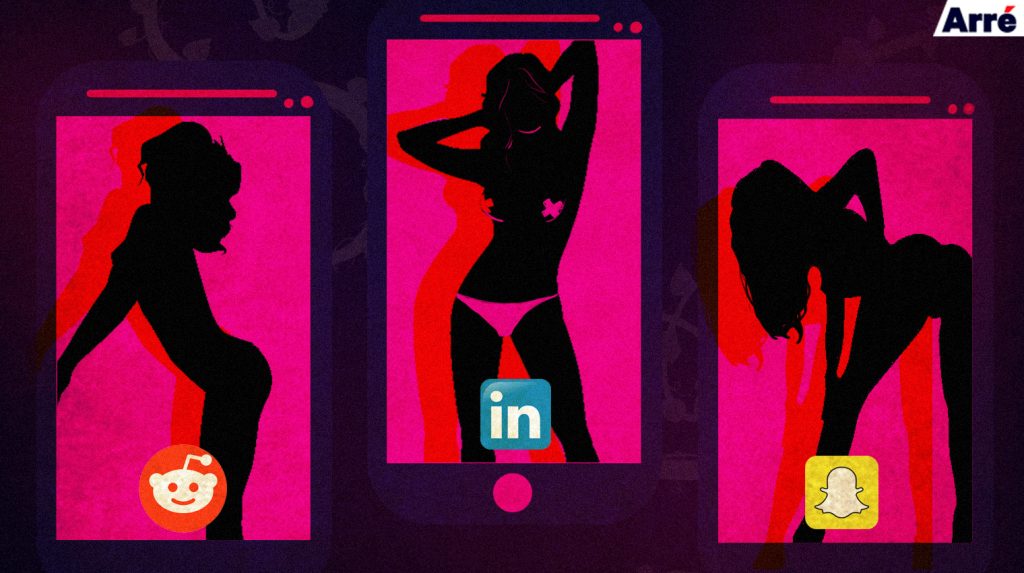
Social media is only following Rule 34 of the internet – if something exists online, a porn version of it must exist too. Social media’s Rule 34 avatar is sexual media. And LinkedIn’s Red Light District is only a by-product of this.
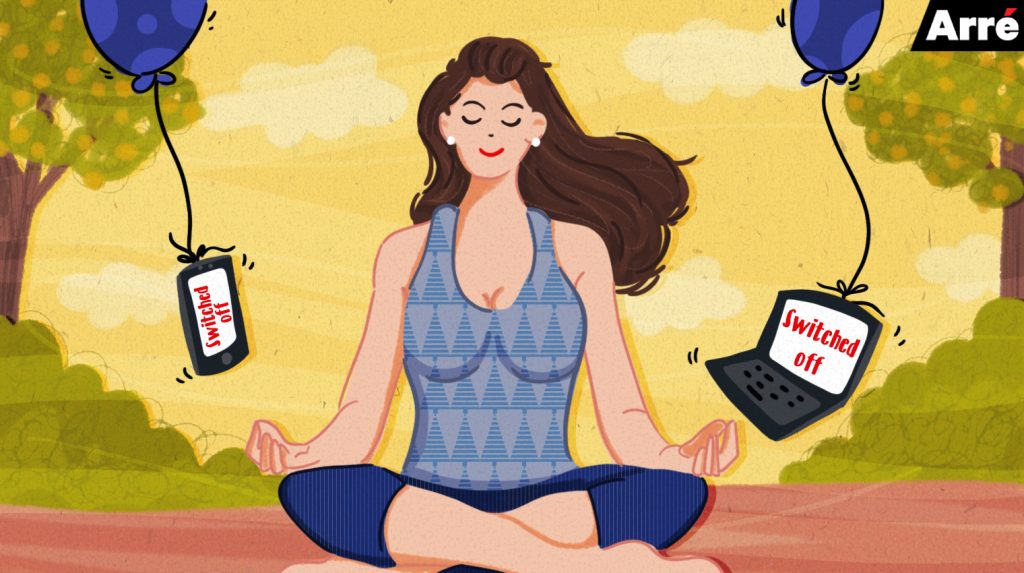
Going offline is not an option. The work culture today demands that you are available 24X7 – over the phone, on WhatsApp, and email. And even if it’s not work, can you walk into a conversation if you have nothing to say about that viral tweet from @wokeboyhimtoo.