
Agirl I know once said, “I can’t go out past 10 PM because that’s when the family watches
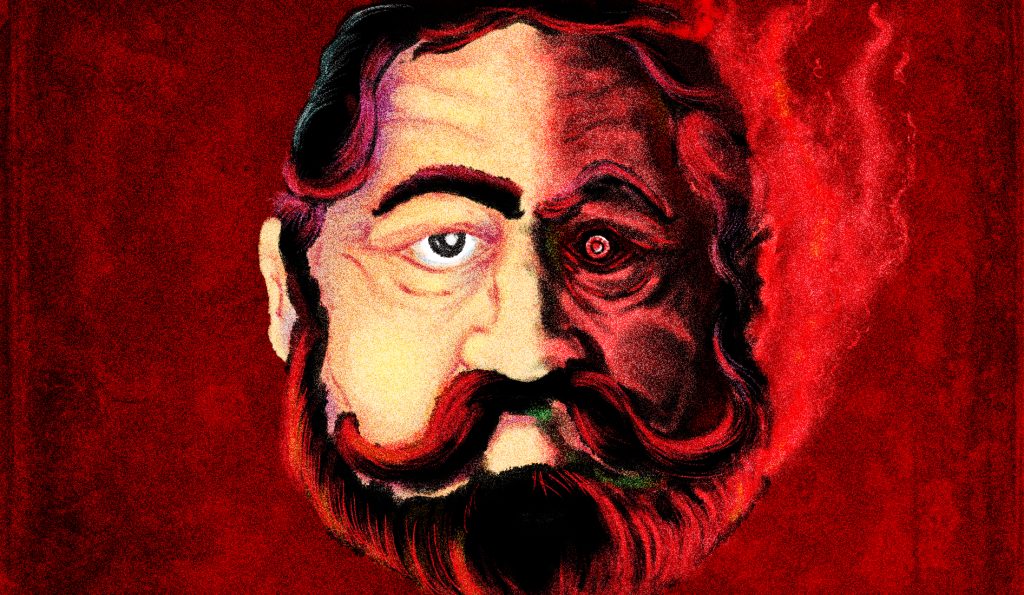
Crime Patrol.” I felt a twinge of sympathy, not because she couldn’t go out, but because she had to watch Crime Patrol during family TV time. Their favourite series is part of the ever-growing tribe of “true crime shows” that have captured the lurid appetites of Indian television audiences across the country. From urban housewives catching an afternoon rerun to the great Indian joint family sitting down for quality time over blood and bones, sordid tales of kidnapping and murder, and other gruesome horrors seem to titillate the country’s imagination like nothing else. The format of these shows is pretty straightforward: A sombre-faced host welcomes you to the episode and introduces the case in question. What follows is a dramatic re-enactment of the crime in question, which has a distinct Ram v/s Raavan vibe to it. The hapless victim and evil villain are shoved in our faces with not even the slightest attempt at nuance. By the end of such an episode, we loathe and fear the antagonist, in the same distant, disinterested way we loathe and fear, say Darth Vader or Gabbar Singh. In reality, crime is the end product of a complex web of human emotions, circumstances and motivations. There are rarely black and white scenarios and it need not be that every person who commits a crime is a hardened, cold-blooded criminal. There is ample scope for grey, for nuanced depictions of the human beings involved, and the forces at play. This is what The Karma Killings, the 84-minute documentary on the Nithari killings, attempts to do. The Nithari killings were perpetrated by a businessman named Moninder Singh Pandher and his house help Surinder Koli, and claimed the lives of 19 victims. Nearly all of them were children. It was a crime of such deep blackness, involving everything from rape, to dismemberment, to blood-thirst, that it is enormously difficult to even conceive of nuance or objectivity. But that’s exactly where The Karma Killings shines.This docudrama resides far away from not just Crime Patrol and Savdhaan India tropes, but also true-crime-based movies that have been in vogue over the last few years.In The Karma Killings, we see the real Pandher, who comes across as a reserved, silent man, and not one to make any outward displays that could be considered suspicious. The policeman who arrested Koli admits on camera that the killer’s nonchalance about his crimes disturbed him greatly, and the policeman was apprehensive about being around him. The Crime Patrol episodes that covered the same case are laughably contrived. On Crime Patrol, Pandher is seen laughing sinisterly as the police question him and Surinder Koli is casually tortured by police. In an era of Making a Murderer and The People v. O. J. Simpson, where audiences have learnt to hear both sides of the story, have waited patiently to understand motivations and circumstances at play before delivering their verdicts, The Karma Killings comes as India’s moment in the genre of true crime docudramas, a genre started by the legendary Truman Capote in the ’70s. It’s no surprise then, that Ram Devineni, the film’s director, cites Capote as one of his strongest influences. “I was obsessed with In Cold Blood,” he says, “How Capote spent years investigating the case and covering the Clutter murders from every angle, even befriending the two killers who had savagely murdered the entire family.” In The Karma Killings, a comprehensive timeline is presented to the viewer. It begins with the disappearance of girls in Nithari, Noida, depicts the arrests and courtroom drama, and goes all the way up to the current state of the case (Pandher’s appeal of his death sentence is pending before the Allahabad High Court). We get to meet the cops who were involved, the CBI director at the time, forensic analysts, and families of the victims as well as those of the perpetrators. Even the two lawyers who argued for the defence and prosecution make an appearance. The Karma Killings is a far cry from pronouncements like “Nithari Ke Rakshas Kaatil!!”, entering a space of fact, enquiry and true investigation.

In The Karma Killings, we see the real Pandher, who comes across as a reserved, silent man, and not one to make any outward displays that could be considered suspicious.
Courtesy: Ram Devineni/Netflix