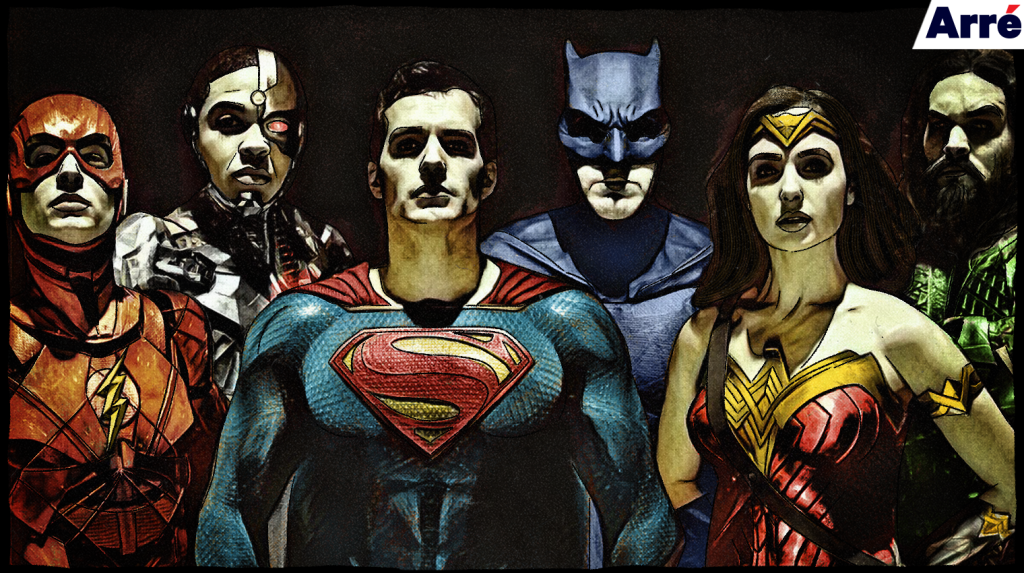

Snyder’s fans immediately created an online demand for Warner Bros. to #releasethesnydercut. Over the next three years, the chorus reached a fever pitch that the studio couldn’t ignore. Warner Bros. finally handed the keys to Snyder to release his version just as he imagined it. The resulting Snyder Cut is a four-hour saga that has all the pluses of his filmmaking, and then some. Every alternate scene plays out as if these characters are part of a Homeric epic. Battle scenes look like apocalyptic John Martin paintings. Snyder’s trademark slow-mo action scenes and montages are as effective as ever, particularly with some stunning needle drops. Standouts include a romantic moment between Flash and his love interest, Iris West, cut to Tim Buckley’s Song To The Siren, and Aquaman walking on a pier towards the ocean, as Nick Cave and The Bad Seeds’ There Is a Kingdom plays. Snyder’s sense of connecting song to scene is evidently better than most contemporary Indian filmmakers who appear lost about what to do with songs in their films. The score by Thomas Holkenberg criss-crosses between Wagnerian passages, nasty riffs, and pulsating drums. When there is no action on screen, the proceedings are always sombre, as if someone’s dead. (That’s true, Superman is). It’s all style, and severely so, but is there substance or not? One of the significant changes in this version is the time devoted to introducing each character patiently into the narrative. Nearly all the League members are saddled with mommy and daddy issues, which give the comic book story some semblance of emotionality. Chief among this is the arc of Cyborg/Victor Stone. Ray Fisher gets a meaty role, and he delivers a standout performance. Victor Stone’s relationship with his father not only adds poignancy to the men-on-a-mission story but is neatly worked into it. Whedon’s version turned this character into a tree. Even the villain, Steppenwolf, appears sympathetic. He comes across as a harried middle manager, trying his best to pacify his hard-to-please boss Darkseid (Ray Porter), while the Whedon cut turned him into a one-note tyrant.Every alternate scene plays out as if these characters are part of a Homeric epic.
The Snyder Cut, however, becomes as embarrassing as the worst moments in Batman v Superman, in the final 30 minutes. Snyder attempts to intellectualise the movie with a ponderous and sophomoric voiceover, which is followed by scenes meant to signal future projects in the series. One of these includes Jared Leto’s Joker, an interpretation that is as insufferable as ever. Zack Snyder’s treatment of superhero material can be understood as attempts to replicate not only the visual style of superhero comics as closely as possible, but also recreate the sincerity and seriousness with which a teenager wolfs down these good versus evil sagas. The Marvel films make it seem like fighting intergalactic villains is a hard day at the office you can get through with some banter. Snyder makes it look like a life-and-death matter. Would Martin Scorsese approve?Nearly all the League members are saddled with mommy and daddy issues, which give the comic book story some semblance of emotionality.