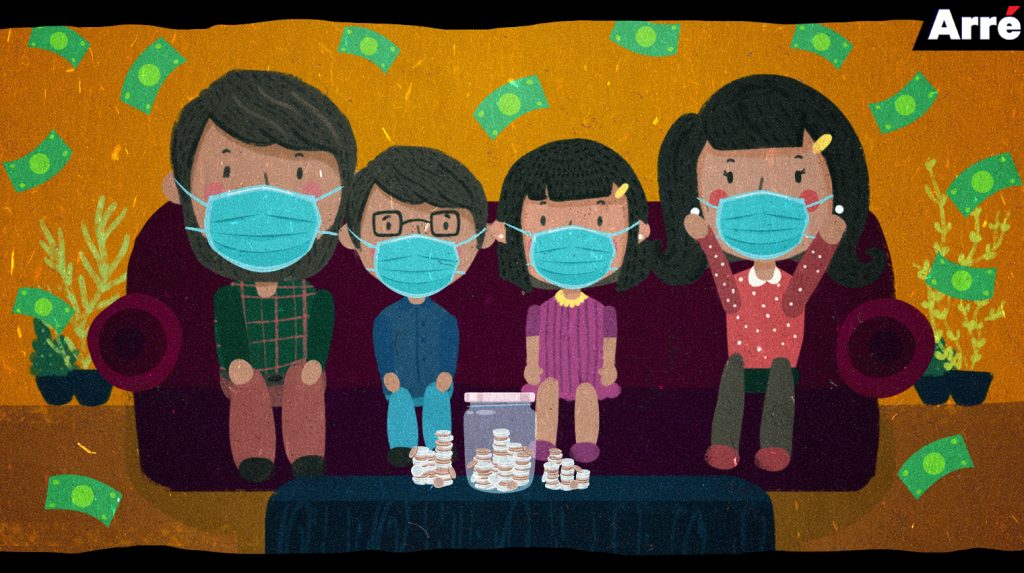

India’s youth was among the primary beneficiaries of the largesse of venture capital firms keen on achieving impressive targets on the back of questionable business models. We weren’t complaining. Our salaries kept rising and disposable income had been high. We got AC cab rides and home delivered food at rates well below what a standard economics textbook would advise. Foreign travel became par for the course, impulse buying and bespoke tailoring and personalised fitness classes and keto-only restaurants and alternate-day drinking and dancing… This became the reality for so many from our class and generation. Just try taking a walk down one of Bandra or Khan Market lanes on a Friday night. Seen as the next big market for pretty much everything, we were pampered with everything from new mobile phones to quality web content to concerts by international rock stars. Which is not to say any of these things were bad! Our ministers might grumble that it was our profligate ways that destroyed the auto industry, but in many ways, millennials kept the economy moving – doing all sorts of jobs. A career in comedy became viable. The number of IIMs shot up. We were still the offshore capital of the world, but now we were doing cooler things than just coding. Many of us didn’t have to deal with the pressures that our parents and grandparents had contended with. Armed with the safety of a reasonable bank balance or a moderate inheritance like a house, we could dream of pursuing satisfying careers and passion projects, leaving the responsibility of planning savings and choosing the best health insurance company to their more informed parents. Alas, along came a small gust of wind in the form of a global pandemic threatening to upend that house of cards. For the first time in a very long time, millennials are forced to reckon with an unsure future and it’s hitting uncomfortably close home. Stories of salary cuts or getting laid off are no longer foreign news, but things happening on our WhatsApp groups. Not a day goes by on social media without me coming across at least one “struggling to pay rent”, “clients have dried up” or just plain anxiety over job security (the latter being the most discussed topic from a webinar I conducted with a mental health counsellor recently).Due to the pandemic, millennials are forced to reckon with an unsure future and it’s hitting uncomfortably close home.
And of course, at a time when something as simple as not standing six feet away from someone at an ATM queue can infect you with Covid-19, most people are looking at their savings and not planning their next vacation, but instead calculating possible hospital expenses. In addition to smart investments, millennials will also have to consider their health insurance, if they even have one. Comprehensive plans like Max Bupa’s Health Premia Health Plan insures policy holders against unforeseen medical bills, which is a valuable financial safety net to have in these times. It’s a plan that feels tailor-made for the globetrotting, millennial who wouldn’t settle for anything less than the best. Not only does it have the option to insure your health even when travelling abroad, it also features an in-built travel insurance that covers you against unpredicted trip cancellation, and loss of checked-in luggage. For the millennial who are at the age where they starting a family, it has maternity coverage and can cover hospitalisation bills for them and their insured family members. And of course, the big one, it has a cover for Covid-19 hospitalisation as well. Financial literacy is something millennial might have spent the past decade neglecting, but now they’ve got no choice but to come to grips with it, and fast. As always, the data doesn’t lie. Searches for “how to invest” from India have shot up since February. Get Quote for Max Bupa’s Health Premia Plans, click here.In addition to smart investments, millennials will also have to consider their health insurance, if they even have one.