
A
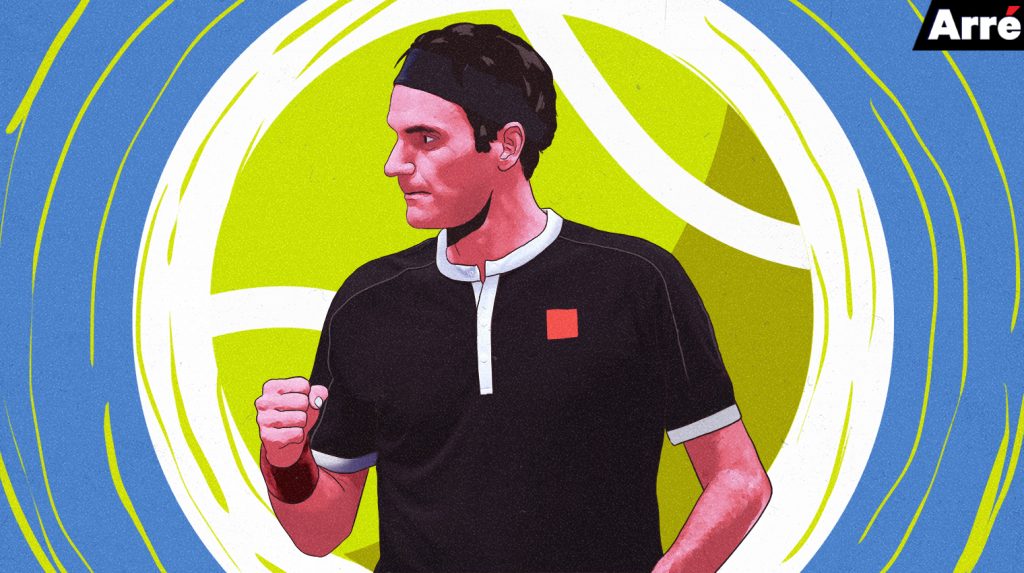
t age 38, Roger Federer is in the semifinals of the 2019 US Open. He will face old comrade Stan Wawrinka, in what promises to be a ballet of single-handed backhands. The draw has been kind to Wawrinka. Quarterfinal opponent Daniil Medvedev succumbed to a sore shoulder. His retirement was inevitable after a packed North American schedule. Wawrinka’s fourth-round opponent, too, looked far from his best. But who can blame Novak Djokovic?
It hasn’t been an easy few months for the defending champion. The “crazy eye” is missing. The aura of invincibility has dimmed. Mental fatigue is an underrated element of sport. It’s the mind that pumps blood to the heart of elite athletes, not vice versa. You keep replaying a crucial point in your head – the one that has given you sleepless nights and crippling days – until you find a way to win it. You undo the mistake. And then you wake up, minutes before your 9645th practice session, knowing that you still lost. There is no escape. The flashbacks won’t cease. Djokovic hasn’t been the same since that Wimbledon final.
That Wimbledon final.
8-7 in the fifth, 40-15 on the Swiss serve. Djokovic expects a serve out wide. But Federer goes down the center. Net cord. Only just. A nervy second serve. A nervier inside-out forehand. 40-30. The gentlemanly spectators on Center Court have become raucous New Yorkers. You sense another error coming, another championship point going. But Federer breathes. He, very uncharacteristically, takes his time. He’s been here before, but it feels like the first time. The noise fades out. He goes for a body serve. The Serb blocks it back. Roger Federer charges forward. Hearts enter mouths and knock at teeth like bad drop vollies. He swings for the corner, but doesn’t get the angle. Djokovic is ready to pass him with a cross-court forehand. Collective breaths are held across the globe.
The flashbacks won’t cease. Federer hasn’t been the same since that Wimbledon final. Tim Clayton/Corbis via Getty Images
You can’t blame Federer fans for living in an alternate-reality universe since July 14. We keep replaying that crucial point in our head – the one that has given us sleepless nights and crippling days – until we find a way to win it. We undo his mistake. And then we wake up, minutes before our 9645th working day, knowing that he still lost. There is no escape. The flashbacks won’t cease. Federer hasn’t been the same since that Wimbledon final. What if he had won the ’08 final? Melbourne ’09? Wimbledon ’15? It speaks volumes about Federer that in a career full of historic triumphs, it’s the historic defeats that will be remembered. Because he keeps playing. He keeps coming back for more. He didn’t die a God; he lived long enough to become human. And he goes deep enough to fall – in the quarters, semis, finals, at championship point, at the brink of immortality. At every stage he dominated when he was younger. Earlier he was just a chunk of beautiful flesh carving his way across courts and collecting trophies for fun. Now there is flesh and blood. Now there is a body – flailing, performing, grieving. He bleeds, like an everyman capable of flashing glimpses of genius. He scars, like a journeyman whose comeback is repeatedly cut short. When he wins, there is a sound to the silent imagery of his game. When he wins, it is against time and tide. Sometimes he loses – his mind, rhythm, form, cool. Sometimes he is beaten, by players who need to win. Grigor Dimitrov needed to win on Tuesday night. Federer’s curse is that he can never play for redemption; he hasn’t failed enough for that. Dimitrov, the forgotten child of Generation Next, had lost six out of seven matches heading into the US Open. When Federer replays the match in his head, he might realise that there was no single point that could have altered his immediate future. There were 64 separate points, 64 separate unforced errors: Some at triple breakpoint, some at 0-0 in the fourth, but all at love for the game.Federer’s curse is that he can never play for redemption; he hasn’t failed enough for that.

Instead, in our little universe, Federer is now a match away from facing Nadal in their first ever US Open final.
Tim Clayton/Corbis via Getty Images