
T
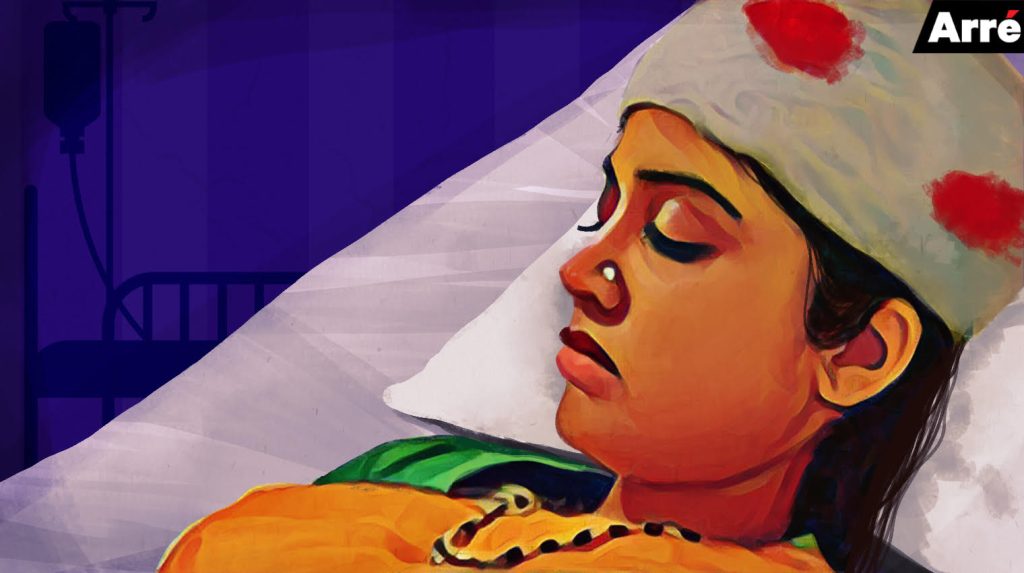
From a cultural standpoint, it’s this tragedy I believe, that defines the cult of HAHK, having metamorphosed into something that is more than just a plot point.But before the two lovebirds can reveal to their families their desire to get married to each other, an accidental death almost tears them apart, brokering Nisha’s fate against her wishes. That is, until Tuffy – arguably one of the most intelligent characters in the film – single-handedly saves the day, giving stiff competition to the pigeon from Maine Pyar Kiya’s reputation as a trusted messenger. From a cultural standpoint, it’s this tragedy I believe, that defines the cult of HAHK, having metamorphosed into something that is more than just a plot point. In the film, a few weeks after delivering her boy, Pooja, along with Prem in tow, pays a visit to her parent’s home. It’s the day that Prem and Nisha confide in Pooja – in line with the film reinforcing an Indian value system; that a “bhabhi” and a “dewar” share an inimitable bond – about their feelings for each other. The idea is to have Pooja as the spokesperson for their love and also as a middle-man, who would convey to their families that they want to get married. An elated Pooja calls up her husband Rajesh to deliver the news, but as luck would have it, Rajesh is busy at work and unavailable and Pooja is assured that he will call her back. This ill-fated call, which comes a few minutes later, forms the basis of HAHK’s chief conflict. The trio are upstairs when the phone rings and Pooja runs hurriedly down a flight of stairs to receive it: On the way, she trips that results in a ghastly tumble down the stairs. The scene itself, arrives in the film’s penultimate 30 minutes, and is one of the perfect evidence of how ’90s filmmakers didn’t skimp on melodrama or camp; instead they happily went all out. The sequence is accompanied by Pooja’s piercing scream and an ominous background score, designed to predict the severity of the situation. Her fall in particular, is nothing short of epic: Pooja goes down a couple of stairs like an overanxious kid would go down a slide, embarking on one of Hindi’s cinemas most dramatic and back-breaking twist, before ending up on the ground with a bloodied forehead. A hilarious hospital scene (that exists for no reason but as a warning to never trust doctors) later, where Pooja flits in and out of a coma, she is declared dead. Pooja’s death can be seen as a clever plot point, a continuation of the family jinx: Rajesh, who grew up without a mother’s love, will now have to contend with bringing up an orphaned son who will suffer the same fate.
It takes something as inconsequential as a flight of stairs and gives it top billing as a hateful villain.But more than anything, what I personally love about this endlessly rewatchable sequence, is that it doesn’t take itself seriously at all. It mixes comedy, tragedy, helplessness, and an impending feeling of doom to create an all-consuming investment in a cinematic death. It takes something as inconsequential as a flight of stairs and gives it top billing as a hateful villain. One of my friends, an incurable HAHK fan, has a conspiracy theory; he is of the opinion that HAHK is actually a sneaky three-long PSA about the unpredictability of stairs and essentially, a glowing ad for elevators. Even if you disagree with his over-imaginative mind, it wouldn’t be wrong to admit that Pooja’s death is now a cultural commodity, having also gotten the honour of becoming a meme. In the age that we live in, this is the ultimate flattery. Bollywood may have given us many deaths in the years before and after, but with the exception of perhaps Aman in Kal Ho Na Ho, there’s no death that has managed to service the memory of a film this effectively. Even Tuffy would approve.