
The quote “Marriages are made in heaven” is attributed to English writer and playwright John Lyly. But if there’s a country that has followed the saying like scripture, it would be India. None more so than Bollywood, a collective so perversely in awe of the ceremonial theatrics of a
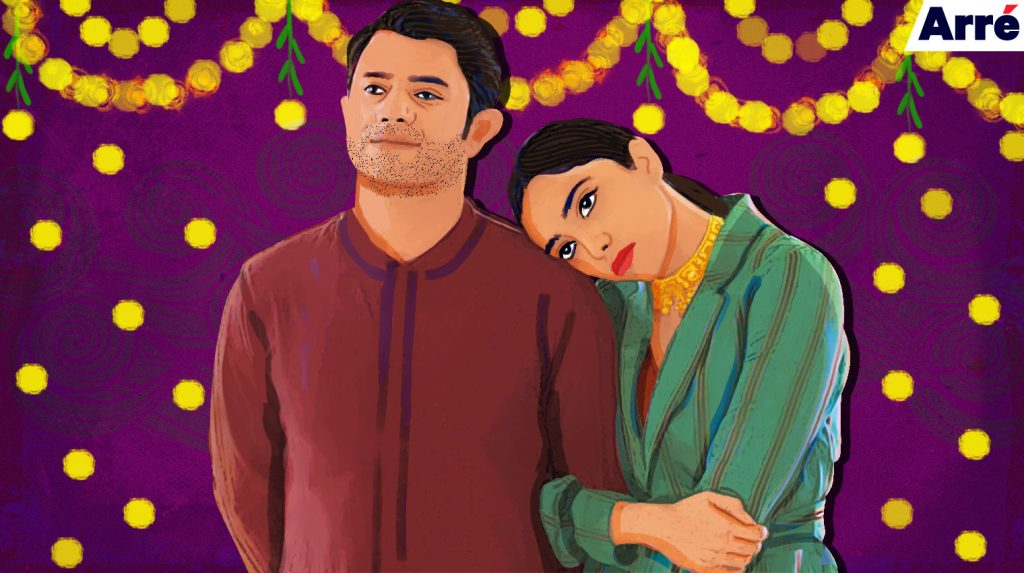
marriage, that it has rarely attempted to look beyond its one-night splendour. But Zoya Akhtar and Reema Kagti’s Made in Heaven is having none of that. I faintly remember watching Hum Aapke Hain Kaun..! at Chandigarh’s iconic Piccadily theatre as a kid, surveying middle-aged men and women exfoliate their tear glands at every plot twist at this Sooraj Barjatya-sponsored marriage porn. Even though, I was scarred back then, it’s not hard to discern why it would elicit such reactions. At its peak in the ’90s, marriage in Hindi cinema was part-climax and part-catharsis – a natural end to the human condition that manifested either in romantic triangles or heroic struggles. It was never a compromise; always an aspirational hard-fleshed idea that was the culmination of our want and will. The problem with the Bollywoodised depiction of marriages isn’t that it serviced illusions, but the fact that it has done it in a way that pretty much colonised reality as well. Celebrities who have hardly shown as fierce a jest for nuptials as they have invested their lives in selling it, have convinced commoners that the shortcut to a happily-ever-after is marriage. What Made in Heaven does exceptionally well is flush this very toxicity by imparting agency to the perspective of the women shackled in a marriage. And in doing so, lower the forged divinity of a custom that is just a means to an end. For a long time in Hindi cinema, marriage has always been an idea created and serviced by men, for men. Bollywood has tendered marriage like it were the consummation of existence itself. Thank god then for, Made in Heaven, which intends to tear a hole in the utter romanticisation of this custom.There is no better evidence of Made in Heaven’s insistence of dissecting marriages without romanticising it than in its opening episode. Karan and Tara pitch a grand marriage by saying “The Roshans are the new-age royalty.”There are several weddings – one each in every episode – in Made in Heaven. In each of them the glitter, the nauseating synchronicity, the false exuberance of the families are just a side note. What takes centre-stage instead, is a more primal dissection of the mentalities that constitute a marriage, from families prioritising business ties to brides weighing one sacrifice against the other, at times choosing between dignity and lifestyle. The show revolves around two wedding planners who see it as such: Disarmingly honest in the way they separate indulgence from work, Karan (Arjun Mathur) and Tara (Sobhita Dhulipala) barter on behalf of parents and at times even collude with them – in one wedding, they have a bride’s virginity investigated. Marriage to them, like most planners and families in India, is a transaction.

Marriage to them, like most planners and families in India, is a transaction.
Image Credits: Amazon Prime