
B
efore Anushka Sharma’s Pari, the last time a Bollywood A-lister headlined a horror film was way back in 2003 (Revathy was an unknown face when Raat released). At the time, acting in a horror film was as much a gamble for an actress’ career, as it is now. In Ram Gopal Varma’s freakishly sleek Bhoot, Urmila Matondkar played Swati, a woman possessed by a the ghost of the person killed in the high rise apartment she and her husband, Vishal (Ajay Devgn) move into.
Bhoot came at a time when the Raaz-ification of the Bollywood horror genre was yet to unfold, and it actually strived to be worthy of the genre. It was one of the earliest instances of taking the genre seriously; the film had no songs, romantic subplots, and instead boasted of an evil spirit backstory that didn’t go down the “jilted lover from the past” route. The novelty of Bhoot’s offering as a supernatural horror film lay unmistakably in RGV letting everyday objects acquire ominous overtones instead of ODing on the blood.
In the following years, many iterations of horror films saw the light of day; most were profitable, but very few riveting or frightening. Barring a few exceptions, like, the claustrophobic Phobia, or Priyadarshan’s semi-enjoyable Bhool Bhulaiyaa (that relied more on comedy than horror), the genre was essentially relegated to being a clash of “Which Bhatt Can Make The Most Pointless Horror Sequels?” besides being the very reason for Bipasha Basu’s career.
That is until debutante Prosit Roy’s Pari this year.
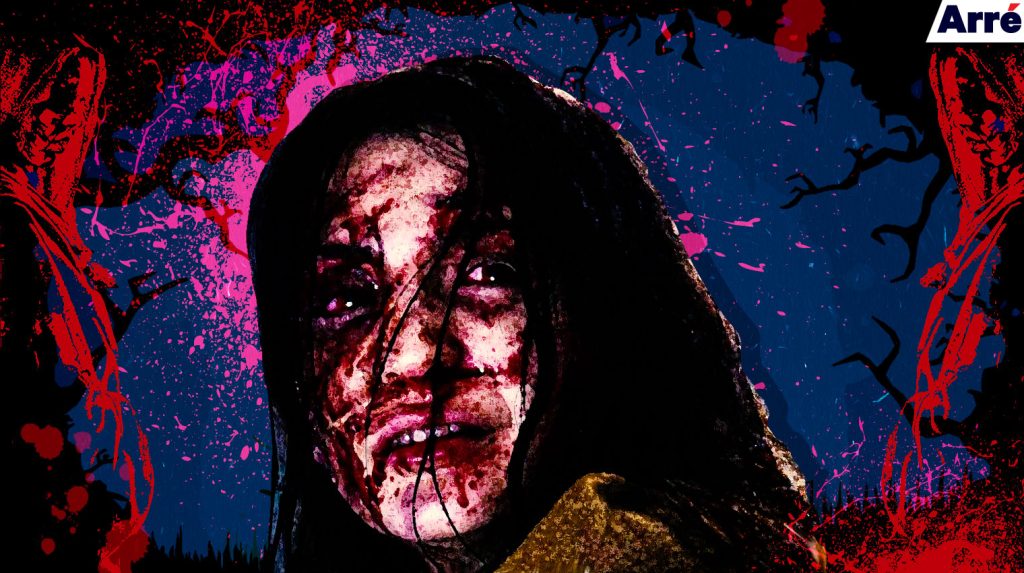
Like Bhoot, Pari’s charm lies in its propensity to create mood. Image credit: Clean Slate Films
In fact, where Pari triumphs is in refusing to play its gore for cheap thrills, which is why even though there’s ample blood and spine-curdling violence (especially the scenes depicting the cruel ways the Andolan goes about in annihilating evil), it assumes the grammar of a thriller. Not only does Pari shy away from drowning itself in the worst horror tropes but it also peppers the film’s proceedings and story with quirks, and twists that although not unique, seem at least accomplished. In fact, Pari actually manages to utilise its tropes in a way that makes one want to invest in its universe. To be fair, Pari isn’t without its problems. There’s a needless arranged marriage subplot, an awkward love ballad that appears completely at odds with its doomed atmospheric setting, and an overexcited background score. There’s also the film’s over-reliance on cults, witchery, black magic, and blind faith for its source material that gets a little too much to digest at times. But, if there’s one thing that thwarts Pari from dunking in mediocrity, is Anushka Sharma’s performance as the feral, modern-day Mowgli. As someone who has been criticised for being unreliably vivid, the actress is a portrait in restraint, regardless of whether it is indulging in acts of barbarity or briskly switching into moments of tenderness, jealousy, vulnerability or empathy. Her prowess over her facial expressions, body language, and haunting stares elevate Pari several notches, making it possible to commiserate with the very face of evil. In fact, if Pari is able to legitimise and mainstream the genre beyond the fervid horror film-lovers who’re willing to consume umpteen Vikram Bhatt sequels, it’ll be because of this Sharmaji ki ladki’s incredible gamble.If there’s one thing that thwarts Pari from dunking in mediocrity, is Anushka Sharma’s performance as the feral, modern-day Mowgli.