
M
artin McDonagh’s Three Billboards Outside Ebbing, Missouri opens with an unrelenting sequence. Mildred Hayes (Frances McDormand, in a haunting performance) passes by the eponymous three billboards on the outskirts of her home, the fictional town of Ebbing. As she pauses her station wagon and stares at the derelict billboards, chewing intently on a fingernail, what seems like the beginning of a run-of-the-mill angry revenge drama actually ends up as the epilogue to Mildred’s grief. The perpetually scowling Mildred marches into the office that owns the billboards and signs a contract to rent them for a year – only so she can name and shame those who have failed to bring her teenage daughter’s killers to book.
If that sequence is not a symbol of the year of #MeToo, nothing is.
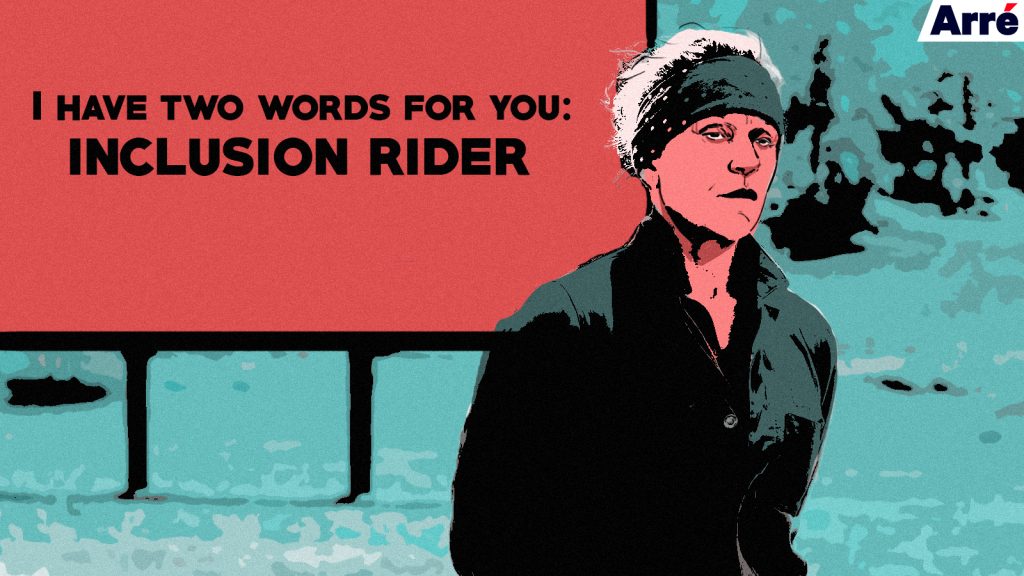
Seven months have passed since Angela was found raped, killed, and set ablaze, and Mildred decides to use the billboards to remind the local police force of their complacency. She paints the billboards bloody red and adorns them with three continuous messages writ large in black: “Raped While Dying”, “Still No Arrests?” and “How Come, Chief Willoughby?” What might seem like a war cry is also an urgent need for closure. The billboards epitomise an unbridled energy of anger that ebbs and flows in Mildred’s hardened gaze throughout the film’s almost two-hour long runtime.
In a way, Three Billboards, which comes off as a violent counterpart to Manchester By The Sea, encapsulates the year that was for women across the world. Image Credit: Fox Searchlight Pictures
In a way, Three Billboards, which comes off as a violent counterpart to Manchester By The Sea, encapsulates the year that was for women across the world. It is a hurtling account of the power of female rage, the imperishability of grief, and the elusive nature of closure. It comes uncomfortably close to being a meditation on the lifelong anguish that women like Mildred will carry all their lives. It’s a testament to the courage of women who stand tall in the face of unimaginable tragedy and try their best to fight for justice, even though it might be a lost cause. Mildred’s one-woman vigil against the local police force, and against the town’s residents who advise her to drop the issue is no different from the protest of the women whose strength drove the #MeToo movement. The women who brought down influential men from their position of power, undoing years of harassment, blackmail, and violence. #MeToo, just like Three Billboards set the stage for the unravelling of the female rage at its finest and fieriest. Yet, these women, whose lives will forever be coloured by the memories of their violence, remain far from achieving justice. Three Billboards is then an uncomfortable look at the aftermath of violence and how it forces women to become the people they have to be. In doing so, the film poses a pertinent question: Can justice ever be a balm for grief?To Mildred, for instance, the billboards are a literal manifestation of both her helplessness and her all-consuming rage.