
O
ne of the most emotionally captivating moments of season three of
Narcos comes in Episode 6, titled, “Best Laid Plans”, when Jorge Salcedo, the security guard of the new baddies, Cali Cartel, has to make a choice: Be bad and betray your good employers, or be good and have them badly killed. His dilemma and the potential of its ramifications for his wife and two little girls; for our returning hero Javier Peña and his blind chase of the Narcos; for the future of the Cali Cartel; and for every ordinary citizen being taken in by drugs, build the show toward a crescendo. This high point is unlike anything we’ve experienced before from this delicacy of tits, drugs, and blood, with bodies dropping harder than the bassline on Charlie Puth’s extremely addictive “Attention”. Narcos’ attempt to deify a random dude stands in stark contrast to its first two seasons, where much screen time was spent in humanising Pablo Escobar. Escobar, as portrayed in the show, was many things: unflinchingly savage, uber cool, and a domineering presence who owned every room he walked into. But a TV show is as much about emotional investment as time, and Wagner Moura’s Pablo Escobar, despite his archetypal drug lord-rockstar representation, was always an emotionally empty vessel. Pablo killed and killed, forcing our rooting interests to be more straightforwardly placed with the gringos and General Carrillo.This attempt to humanise the most murderous man in American imagination has failed time and time again: It did not work in Entourage’s Medellin storyline; in the book Pablo’s son, Juan Pablo Escobar, eventually wrote; and in several documentaries. The show too had to laboriously venture toward his family, his relationship with his brother and his father in order to accord him an aura of vulnerability, to create conflict in our heads. The showrunners seemed enamoured of Moura, stretching the Pablo story, which was supposed to last one season, like a chewed-up stick of gum. But by the end of his arc, season two of Narcos was a plodding, aimless mess, just like its protagonist in real life on his way to the obvious end: Pablo’s death. Pablo killed lots of people so he should die. No jostling for our hearts. Just “Plata o Plomo”.
Is Peña too an addict, obsessed with chasing drug lords regardless of the consequences?
Image Credit: Netflix
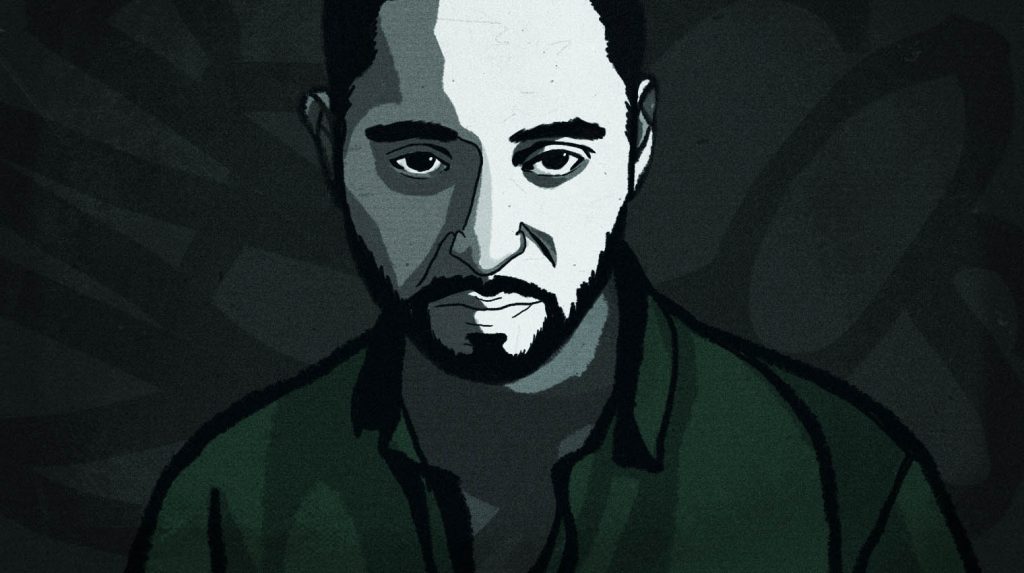
What does Peña do then? Enjoy his spoils and roll with the pragmatic punches, or suck it up, go against his own country and try to catch the suave, bloodless Cali godfathers who have already decided to quit in some time? Is Peña too an addict, obsessed with chasing drug lords regardless of the consequences? What is right and what is wrong? As Narcos finally becomes more foreplay than sex, nipping inside the thigh and at our ears, the moral ambiguity facing Peña early on paves the way for quietly the most devastating character on the show: Jorge Salcedo, the man who doesn’t even carry a gun to a gunfight. He’s a thoughtful former mechanical engineer, who focuses on technology and preparedness to win out over the chaos around him. He is soft-spoken and crisply dressed for work in a tucked-in shirt and black pants. He’s even monogamous, an oddity in the universe of Narcos, as he genuinely adores his wife and kids. Salcedo, then, emerges as a metaphor for the average man who gets fucked from every side in the war on drugs, a classic good man in a tight spot.Played by Swedish actor Matias Varela, Salcedo is oddly magnetic even in daily tasks like switching the tap on a phone early in the season

Salcedo, then, emerges as a metaphor for the average man who gets fucked from every side in the war on drugs, a classic good man in a tight spot.
Image Credit:Netflix