
I
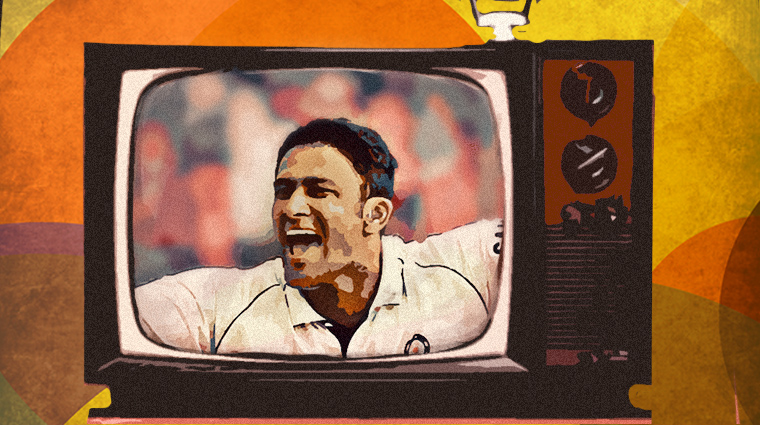
read Anil Kumble’s final statement after he stepped down as the coach of the Indian cricket team with a sense of what can best be described as sympathy. “Professionalism, discipline, commitment, honesty, complementary skills, and diverse views are the key traits that I bring to the table. These need to be valued for the partnership to be effective.” In that instant, I realised that Anil Kumble, who has been reduced to nothing but a relic of the ’90s, was resigning not so much over a difference in values but a yawning gap in generation. Anil Kumble represents every pre-millennial (or Generation X as we call them), who has been made irrelevant not just by the fact that times have changed but also by the fact that they have changed so goddamn fast. No other generation has been made irrelevant so quickly and publicly than the one that peaked in the ’90s. The internet may have had a role to play, or it may just be the economic boom, but whatever the socio-cultural reasons, the fact remains that the divide between the young and every other non-millennial entity before them has never been this wide before. There was a time when generations would change every two decades. But today, every five years there’s a brand new world out there, and the ’90s Uncle is thrice removed from it. The exit of the “uncle” hasn’t been a graceful one. Not many years have passed since his heyday and not enough water has flown under the bridge for him and his ilk to be made irrelevant. But irrelevant he has been made. The uncle is the guy who sits at his desk, diligently, working nine hours a day, and strives for years toward greatness. He expects his millennial co-workers to be punctual and work hard, follow the routine like he did. But the millennials breeze in fashionably late, sporting their incredibly loose shirts and chinos, irritating the hell out of the old guard with their hot takes on Google analytics and social-media marketing, full of hype from YouTube videos, selling hope, exuberance, and often arrogance in exchange for instant greatness. It’s not the internet, it’s not the lingo, it’s not even the clothes that differentiate the millennial from the ’90s Uncle. It is this fundamental expectation out of life that predicts that the twain shall never meet.
Virat Kohli and his brat pack are exhibiting, what I think is, peak millennial behaviour. No, we don’t want to be chided for our failures; no, we don’t want to be told what to do; no, we don’t need no education, especially if it comes in the form of detailed notes and analysis of video clips. As senior journalist Prem Panicker rightly puts it, “Today, we have a bunch of entitled brats who will insist that anyone – a commentator who has words of praise for the opposition, or a coach who believes it is his duty to point to mistakes so they can be corrected, not merely to sing hosannas – is the enemy and should be banished from their presence forthwith, or they will not play.” In the IPL, another uncle, Ray Jennings, learnt this the hard way, after he questioned the newly appointed Royal Challengers Bangalore skipper – who else, but Virat Kohli. And we all know what happens when someone pisses off the leader of the brat pack. On cue, Uncle Jennings was replaced soon after. Uncle Kumble could have learned a thing or two from that incident. But here he was, annoying Virat Kohli with his old-world ways once again after picking Kuldeep Yadav as part of the starting XI in the final Test against Australia in March against the skipper’s wishes. Uncle Kumble’s confidence comes from the fact that he was a legendary cricketer, which gave him some authority in a dressing room full of brats. No Indian coach has come close to what Kumble managed on field. To be fair to Kohli, he too has earned his place as the leader of the brat pack after his exploits with the willow. But listening is an art, as is modesty. Kohli may have been as amenable to soak in the experience that Kumble brought to the team as a young, chino-wearing millennial would be open to advice on marketing strategy from an uncle who once sold soaps in small-town India. The only difference is that Kumble did not sell soaps but to date remains India’s highest wicket-taker in both Tests and ODIs. But who needed an opinionated stooge with his ’90s tactics, sound but dull advice and a reprimanding tone, when the friendly advice of an on-field buddy, MS Dhoni, who understands modern cricket better than “uncle” ever will, was available?Uncle Kumble’s confidence comes from the fact that he was a legendary cricketer, which gave him some authority in a dressing room full of brats.

Anil Kumble represents every pre-millennial, who has been made irrelevant not just by the fact that times have changed but also by the fact that they have changed so goddamn fast.
Mike Egerton – PA Images / Getty Images